
Infrared Thermal Imaging for Electrical Systems in Toronto
City Brite Electric Inc provides electrical thermal imaging for commercial and residential electrical systems across Toronto, with particular service coverage in North York. Using professional infrared thermal imaging equipment, we look for abnormal heating in panels, breakers, connections and distribution equipment, then interpret what we find as electricians — so you know which temperature patterns may warrant further investigation and what to do next.
- ECRA-licensed electrical contractor
- Licensed and insured
- Professional thermal imaging equipment
- Commercial and residential electrical systems
- ECRA/ESA licence 7018249
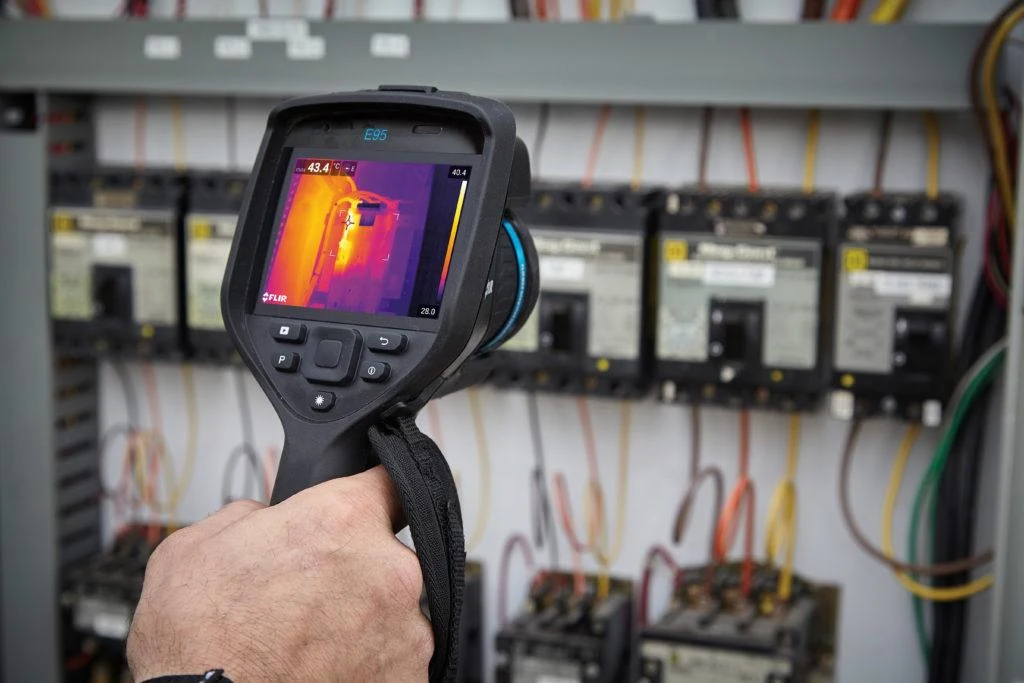
What Electrical Thermal Imaging Is
Infrared thermography uses a thermal camera to detect differences in surface temperature. Electrical equipment gives off heat as current flows through it, and when a connection, conductor or component develops more resistance than it should, it can run warmer than the parts around it. A thermal image makes those differences visible.
That information usually cannot be seen during an ordinary visual inspection. A terminal that looks tight and clean can be running noticeably warmer than the one beside it. Thermal imaging gives an electrician another way to spot abnormal heating patterns that may warrant a closer look.
Not every temperature difference is a defect. A heavily loaded breaker will normally run warmer than a lightly loaded one, and some equipment is designed to run warm. The value is in reading the image in context.
What Can Be Examined
Depending on the equipment, access and operating conditions, a thermal assessment can include:
- Electrical panels and breakers
- Disconnects and switches
- Electrical connections and terminations
- Bus connections where safely observable
- Contactors and motor-control equipment where applicable
- Transformers where applicable
- Commercial electrical distribution equipment
- EV charging electrical equipment where appropriate
- Equipment serving significant loads, such as HVAC or process equipment
Not every component can always be safely or legally inspected while energized. Whether a cover can be removed, and what can be viewed, depends on the equipment, its condition and safe work practices. Where something cannot be safely observed, we say so rather than guess.
Installing or already running chargers? See EV charger installation.
What Thermal Imaging May Help Identify
A thermal image shows where heat is. It does not, on its own, tell you why. Temperature patterns that may indicate a problem include:
Findings are interpreted in the context of electrical load, equipment condition and, where appropriate, other electrical testing. A hot spot may warrant further electrical investigation; it is not by itself a conclusive diagnosis.
- Loose or deteriorating electrical connections
- Abnormal resistance heating at a terminal or splice
- Heating at terminations and lugs
- Breakers running at abnormal temperatures
- Overloaded components or circuits
- Uneven loading or phase/load imbalance indicators
- Deteriorating electrical components
- Equipment operating hotter than comparable components
Why Load Matters
Resistance heating depends on current. A loose connection on a circuit that is barely being used may show very little, while the same connection under normal working load can become clearly visible. That is why electrical thermal imaging is generally most useful when equipment is operating under normal or representative load.
In practice, that means scheduling the assessment for a time the building is doing its usual work — the office occupied, the warehouse equipment running, the rooftop units cycling — and noting the conditions at the time. A temperature pattern recorded without that context is much harder to interpret.
Thermal Imaging Backed by Electrical Knowledge
Taking a thermal picture is the easy part. Knowing what the picture means is where an electrician adds value. We read the image against how the equipment is wired, what it feeds, how it is loaded and how similar components are behaving.
When a pattern looks unusual, we can check it with other electrical measurements where appropriate, such as load readings, and explain whether it looks like a connection issue, a loading issue or something that needs closer investigation. Where additional testing or a shutdown is needed to confirm a finding, we will recommend it.
City Brite Electric is an electrical contractor, not an engineering firm. If a finding calls for engineering review, we will tell you so you can involve the right professional.
Commercial Electrical Thermal Imaging
Commercial electrical systems carry larger loads through more equipment, and a single failing connection can affect tenants, operations or equipment downstream. Thermal imaging can support preventative maintenance by helping identify unusual heating patterns before an obvious failure occurs. It does not promise to prevent fires, outages or equipment failures.
Property and facility managers
Thermal scans of main and sub-distribution equipment can form part of a preventative maintenance program, with documented findings to help prioritize corrective work.
Offices and commercial buildings
Panels serving tenant suites, lighting and HVAC equipment, and the main electrical room in multi-tenant buildings.
Warehouses and industrial electrical rooms
Distribution equipment, disconnects, motor-control equipment and connections serving conveyors, compressors and other significant loads.
Retail properties
Panels feeding refrigeration, lighting and rooftop units, where equipment often runs for long hours.
Condominium common electrical areas
Common-area electrical rooms and distribution equipment where applicable, arranged with property management.
Troubleshooting and planned shutdowns
Scanning ahead of a planned shutdown helps focus the maintenance window on the connections and equipment that showed unusual heating.
For the wider electrical work behind a commercial property, see commercial electrical services; to check whether work areas are adequately lit, see lighting level testing and assessment.
Residential Thermal Imaging
For homeowners, thermal imaging can support investigation of suspected abnormal heating in panels, breakers and service equipment where applicable. It is one part of electrical troubleshooting, not a substitute for assessing the overall condition of the equipment.
Do not touch equipment to check its temperature or remove panel covers yourself. A burning smell, smoke or scorching should not wait for a routine thermal assessment. Keep clear of the equipment; if you suspect a fire, leave the area and call 911.
If a scan points to an ageing or failing panel, see panel upgrades and repairs; for faults that need tracing, see electrical repairs and troubleshooting.
How a Thermal Imaging Assessment Works
A typical assessment follows these steps. The scope is agreed first, and not every assessment includes every possible electrical test. No destructive investigation is carried out unless you separately authorize it.
Discuss your concerns and equipment
We talk through why you want the assessment — a specific concern, troubleshooting or preventative maintenance — and what equipment is involved.
Identify the equipment in scope
We agree which panels, disconnects, distribution equipment or other electrical equipment will be assessed.
Confirm operating and load conditions
Where practical, we schedule the work for when equipment is running under normal or representative load.
Visual and infrared observations
We look at accessible equipment visually and with a professional thermal imaging camera, following safe work practices.
Record thermal images and temperatures
Relevant thermal images and temperature observations are recorded against the equipment they relate to.
Compare unusual patterns
Unusual temperatures are compared with similar components and operating conditions where appropriate.
Document notable findings
Notable findings are documented to the level agreed in the scope.
Recommend next steps
Where warranted, we recommend further electrical investigation or corrective work, and can quote that work separately.
Concerned About Heat in Your Electrical Equipment?
Tell us what equipment you want assessed and what prompted the question. We will talk you through what a thermal imaging assessment would cover.
Documented Findings
Depending on the agreed scope, City Brite Electric can document:
These documented findings are not an engineering report and do not certify the electrical installation. A thermal inspection does not replace ESA inspection, electrical code requirements, preventative maintenance or any other required inspection. Where corrective work requires an ESA notification and inspection, we file it as part of that work.
- The equipment inspected
- Thermal images
- Visible-light reference images where appropriate
- Observed temperature patterns
- Areas warranting additional investigation
- Electrical recommendations where appropriate
What Thermal Imaging Can and Cannot Do
A thermal camera measures infrared radiation and shows surface-temperature patterns. It does not see through walls, panel covers or enclosures; it shows the temperature of the surfaces it can see.
Readings are affected by load and operating conditions, and by the surface itself. Emissivity — how well a material gives off infrared energy — varies, and shiny or reflective surfaces such as bare copper, polished bus bars or metal covers can reflect heat from elsewhere and give misleading readings. An experienced eye accounts for this rather than taking every number at face value.
Thermal imaging does not independently determine the exact cause of every anomaly. It points to where to look. That is why we interpret it alongside electrical knowledge and, where appropriate, other testing.
Electrical Thermal Imaging in North York
City Brite Electric provides electrical thermal imaging in North York and throughout Toronto. For an office building near Yonge and Sheppard, observations of distribution equipment can support planned maintenance. At a commercial property around Consumers Road, the assessment may focus on connections serving equipment with significant operating loads.
We work with North York property managers, businesses and homeowners, and serve commercial and residential properties across Toronto and the wider GTA.
Why Work with City Brite Electric
Your power is our priority.
ECRA-licensed electrical contractor
Thermal imaging carried out by a licensed and insured electrical contractor with hands-on electrical experience.
Electricians reading the images
Temperature patterns interpreted against how the equipment is wired, loaded and used.
Clear communication
Findings explained in plain language, with the limits of thermal imaging kept clear.
Commercial and residential
Offices, warehouses, retail, condominium common areas and homes across North York and Toronto.
Safety-focused work
Energized equipment is only observed where it can be done safely; anything else is scheduled appropriately.
One contractor from scan to repair
Where corrective work is wanted, recommendations or a separate quotation from the same electrical contractor.
Frequently Asked Questions
What is electrical infrared thermal imaging?
It is the use of a thermal camera to see surface-temperature differences in electrical equipment. Abnormal heating can point to connections or components that may warrant further investigation.
What electrical problems can thermal imaging help identify?
It can help identify temperature patterns associated with loose or deteriorating connections, abnormal resistance heating, overloaded circuits, uneven loading and components running hotter than comparable ones. The cause is confirmed through electrical investigation, not the image alone.
Can thermal imaging find a loose electrical connection?
A loose connection under load often runs warmer than surrounding connections, and thermal imaging can help identify it. Whether it shows depends on load, access and the surface being viewed, so a finding is confirmed by an electrician.
Can a thermal camera see through walls?
No. A thermal camera shows the surface temperature of what it is pointed at. It may show heat that reaches a wall surface, but it does not see wiring inside the wall.
Does electrical equipment need to be under load during thermal imaging?
Generally, yes. Resistance heating depends on current, so imaging is most useful when equipment is running under normal or representative load. We schedule accordingly where practical.
Can you perform thermal imaging on an electrical panel?
Yes. Residential and commercial panels can be included where access, equipment condition and safe work practices allow.
Panel upgrades and repairsDo you provide commercial electrical thermal imaging?
Yes. We assess distribution equipment, panels, disconnects and equipment serving significant loads in offices, warehouses, retail properties and commercial buildings.
Commercial electrical servicesCan thermal imaging be part of preventative electrical maintenance?
Yes. It can help identify unusual heating before an obvious failure occurs, so corrective work can be planned. It supports maintenance; it does not replace it or guarantee against failures.
Do you provide infrared thermal imaging in North York?
Yes. We provide electrical thermal imaging in North York and throughout Toronto and the wider GTA.
What happens if you find an abnormal hot spot?
We document it, explain what it may indicate and recommend further electrical investigation or corrective work where warranted. Any corrective work requires an appropriate safety assessment and agreed scope; a separate quotation can be provided.
Electrical repairs and troubleshootingThis page was last updated September 2026.
Related electrical services
- Lighting Level Testing & AssessmentDocumented lux and foot-candle measurements for offices, warehouses and commercial spaces.
- Commercial Electrical ServicesElectrical service, distribution and equipment wiring for commercial properties.
- Electrical Repairs & TroubleshootingDiagnosing and repairing faults, including issues found during a thermal scan.
- Panel Upgrades & RepairsPanel replacement and repair when a scan points to a failing panel or breaker.
- Areas We ServeNorth York, Toronto and the surrounding GTA.
- Contact City Brite ElectricPhone, email and our contact form.
Call Us Today
For electrical infrared thermal imaging in North York, Toronto and the GTA, call City Brite Electric or send us a message through our contact page.